What is Physiotherapy?
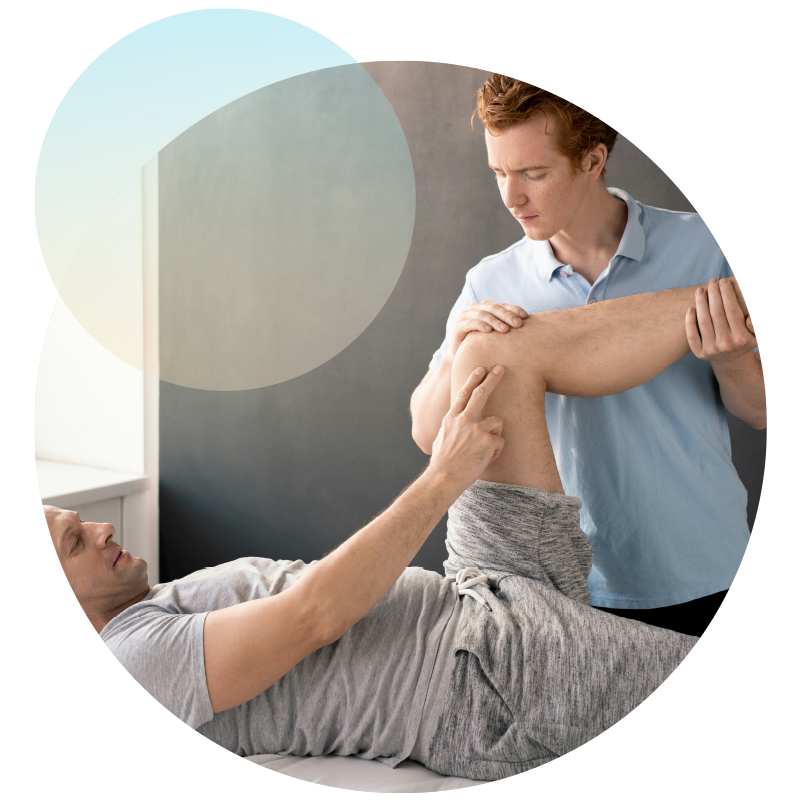
Physiotherapy, also known as physical therapy, is a healthcare profession dedicated to helping people restore, maintain, and maximize their physical strength, function, motion, and overall well-being. Physiotherapists are movement experts who use a holistic approach to treat the entire person, addressing both the physical aspects of an injury or condition and the psychological and social factors that may affect recovery.
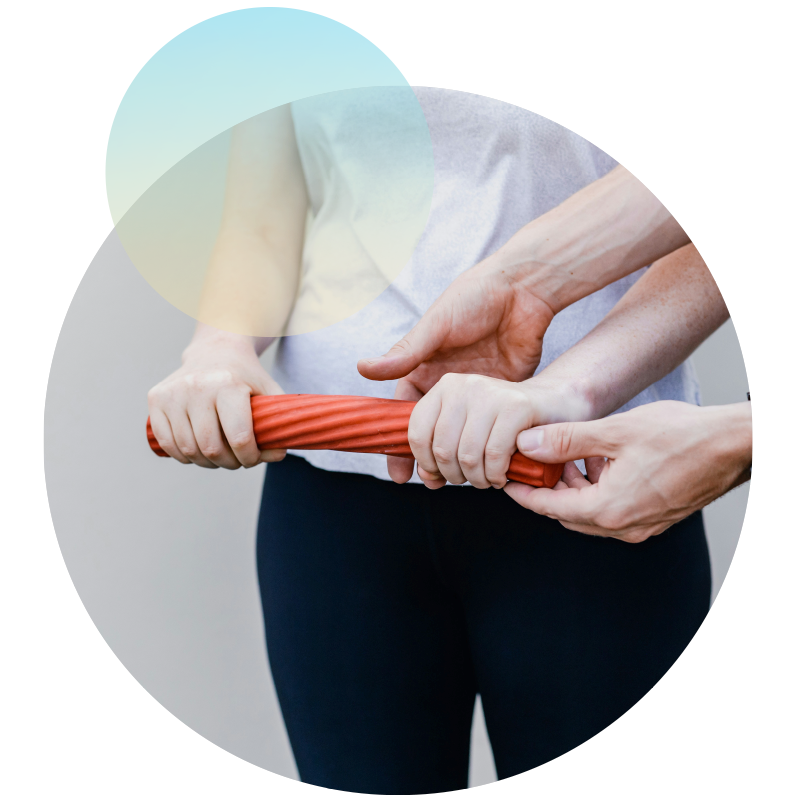
Through a combination of hands-on treatment, exercise therapy, education, and advice, physiotherapists help patients of all ages manage pain, prevent disease, and improve quality of life. Whether recovering from injury, managing a chronic condition, or seeking to prevent future problems, physiotherapy offers evidence-based solutions tailored to individual needs.
How Physiotherapy Works
Physiotherapy is grounded in science and research, with treatments designed to address the root causes of pain and dysfunction rather than just symptoms. Physiotherapists take a comprehensive approach, beginning with a thorough assessment of your condition, medical history, lifestyle, and goals.
The practice focuses on understanding how the body moves and functions, identifying limitations or abnormalities, and developing targeted interventions to restore optimal movement patterns. This may involve analyzing posture, gait, muscle strength, joint mobility, and coordination to create a complete picture of your physical health.
Treatment plans are highly individualized and may evolve over time as your condition improves. Physiotherapists work collaboratively with patients, empowering them with knowledge and self-management strategies to maintain long-term health and prevent recurrence of problems.
Treatment plans are highly individualized and may evolve over time as your condition improves. Physiotherapists work collaboratively with patients, empowering them with knowledge and self-management strategies to maintain long-term health and prevent recurrence of problems.
Customized exercise programs designed to strengthen muscles, improve flexibility, enhance balance, and restore functional movement patterns.
Guidance on posture, ergonomics, activity modification, and self-management strategies to prevent injury and promote long-term wellness.
Use of electrical modalities such as ultrasound, TENS, or interferential current to reduce pain, decrease inflammation, and facilitate healing.
Techniques using fine needles to release muscle tension, reduce pain, and improve blood flow to affected areas.
Assessment and correction of movement patterns to optimize performance and reduce the risk of injury during daily activities or sports.
Back & Neck Pain
Sports Injuries
Arthritis
Whiplash
Tendonitis
Sciatica
Shoulder Injuries
Knee Problems
Sprains & Strains
Plantar Fasciitis
Post-Surgical Rehabilitation
Workplace Injuries
Hip Pain
Headaches & Migraines
Repetitive Strain Injuries
Balance & Vestibular Disorders
Stroke Recovery
Parkinson's Disease
Multiple Sclerosis
Pre & Post-Natal Care