What is Acupuncture?
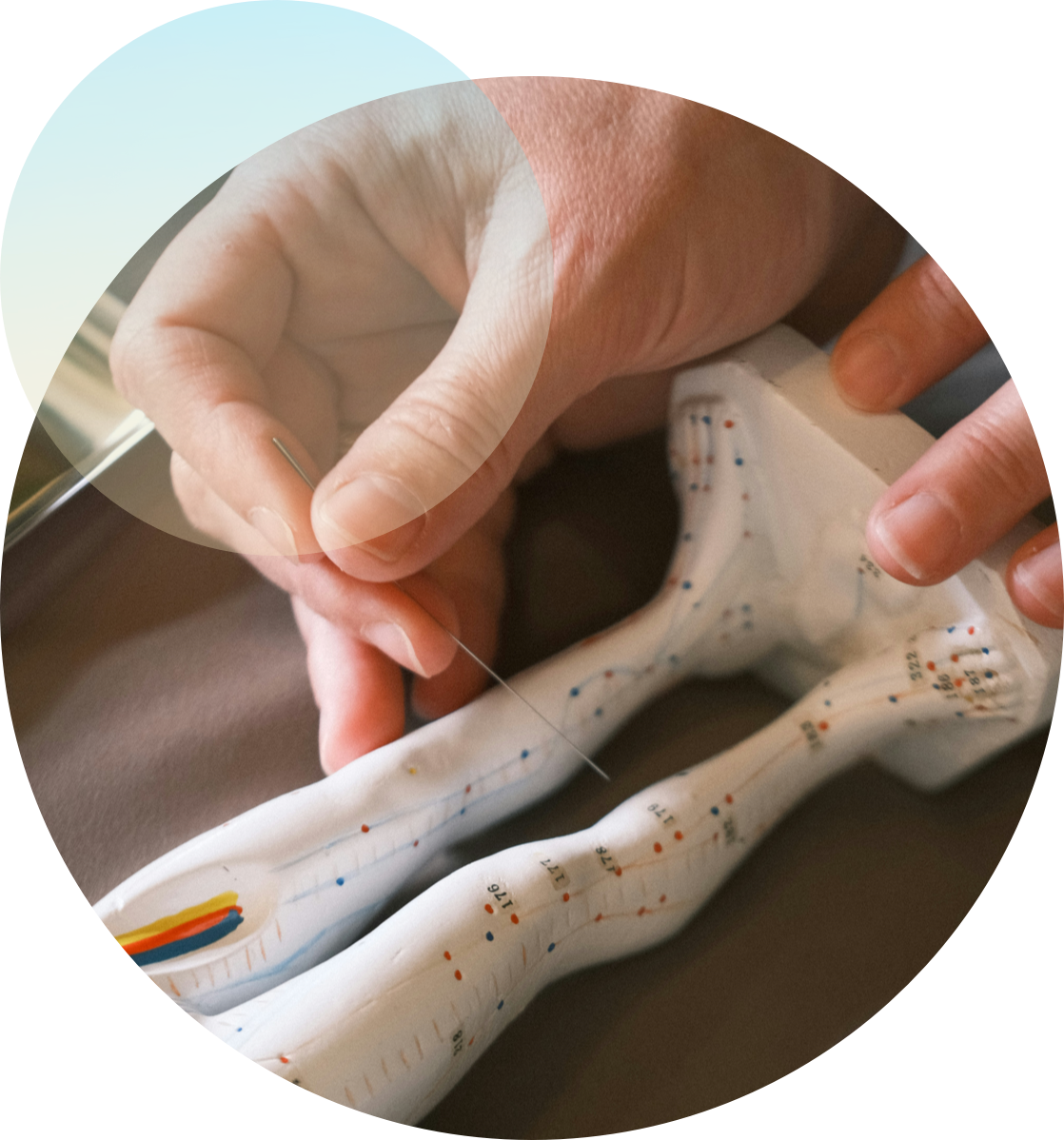
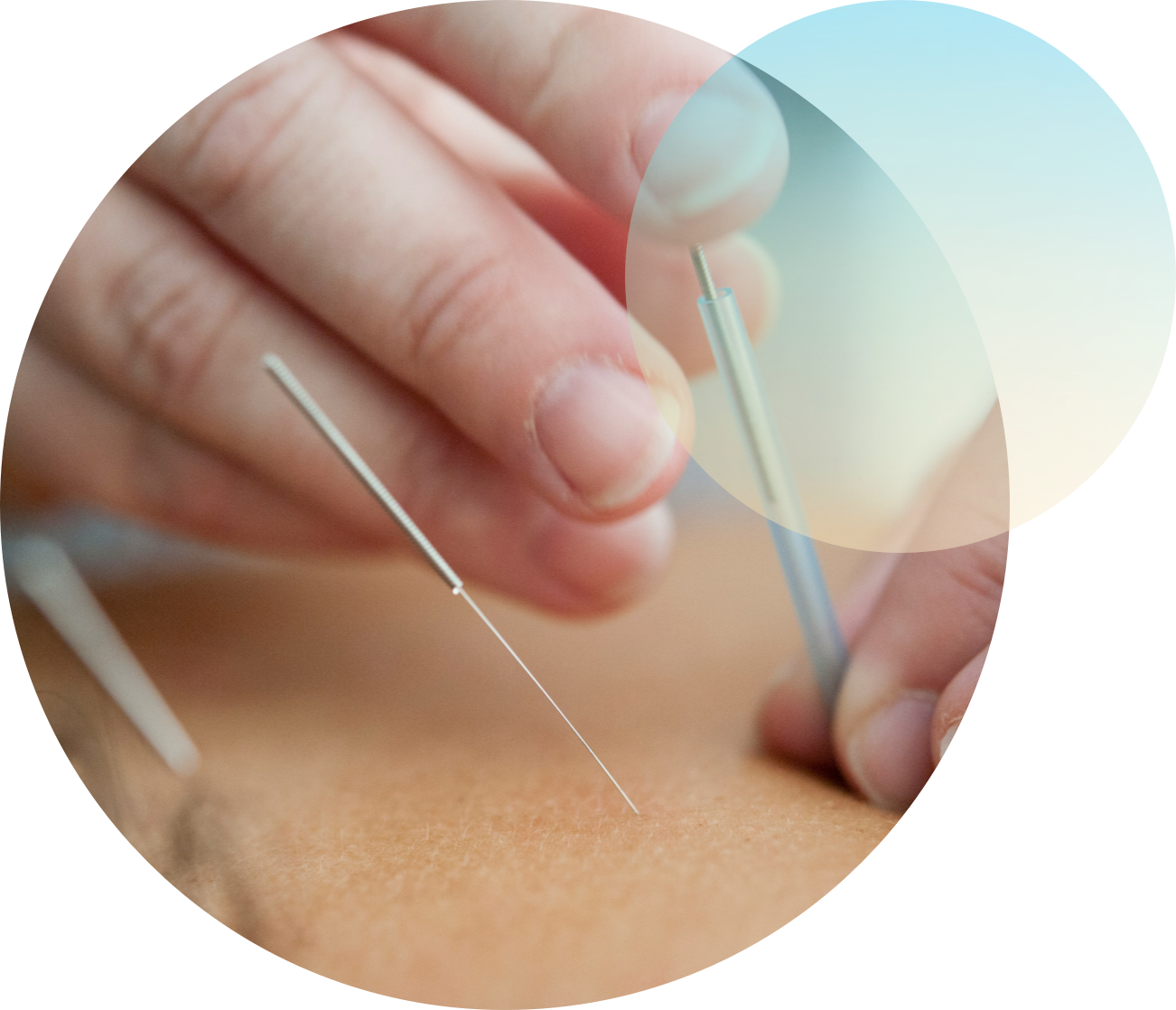
Acupuncture is a key component of Traditional Chinese Medicine (TCM) that has been practiced for thousands of years. It involves the insertion of very thin, sterile needles into specific points on the body to stimulate healing, reduce pain, and restore balance. These acupuncture points lie along pathways called meridians, which Traditional Chinese Medicine views as channels through which vital energy, or "Qi" (pronounced "chee"), flows throughout the body.
Modern acupuncture combines ancient wisdom with contemporary understanding of physiology and neuroscience. Today, acupuncture is recognized by major health organizations worldwide as an effective treatment for numerous conditions, with growing research supporting its therapeutic benefits for pain management, stress reduction, and overall wellness.
How Acupuncture Works
From a Traditional Chinese Medicine perspective, acupuncture works by balancing the flow of Qi through the body's meridian system. When Qi becomes blocked or imbalanced, illness and pain can result. By stimulating specific acupuncture points, practitioners aim to restore proper energy flow and promote the body's natural healing abilities.
From a Western medical perspective, research suggests that acupuncture works through several physiological mechanisms. Needle insertion stimulates nerves, muscles, and connective tissue, triggering the release of the body's natural painkillers—endorphins and enkephalins. It also influences neurotransmitters that regulate pain signals, reduces inflammation, and improves blood circulation to affected areas.
Acupuncture treatments are highly individualized. Practitioners conduct thorough assessments that may include examining your tongue, feeling your pulse at different positions, and discussing your symptoms, lifestyle, and overall health. Based on this holistic evaluation, they select specific acupuncture points and treatment strategies tailored to your unique constitution and condition.
Classical needle insertion at specific meridian points to balance energy flow, reduce pain, and address the root causes of health concerns according to TCM principles.
Gentle electrical stimulation applied to acupuncture needles to enhance therapeutic effects, particularly effective for pain relief and neurological conditions.
Suction cups placed on the skin to increase blood flow, release muscle tension, and promote healing. Often combined with acupuncture treatment.
Warming technique using dried mugwort herb burned near acupuncture points to stimulate circulation, strengthen Qi, and promote healing.
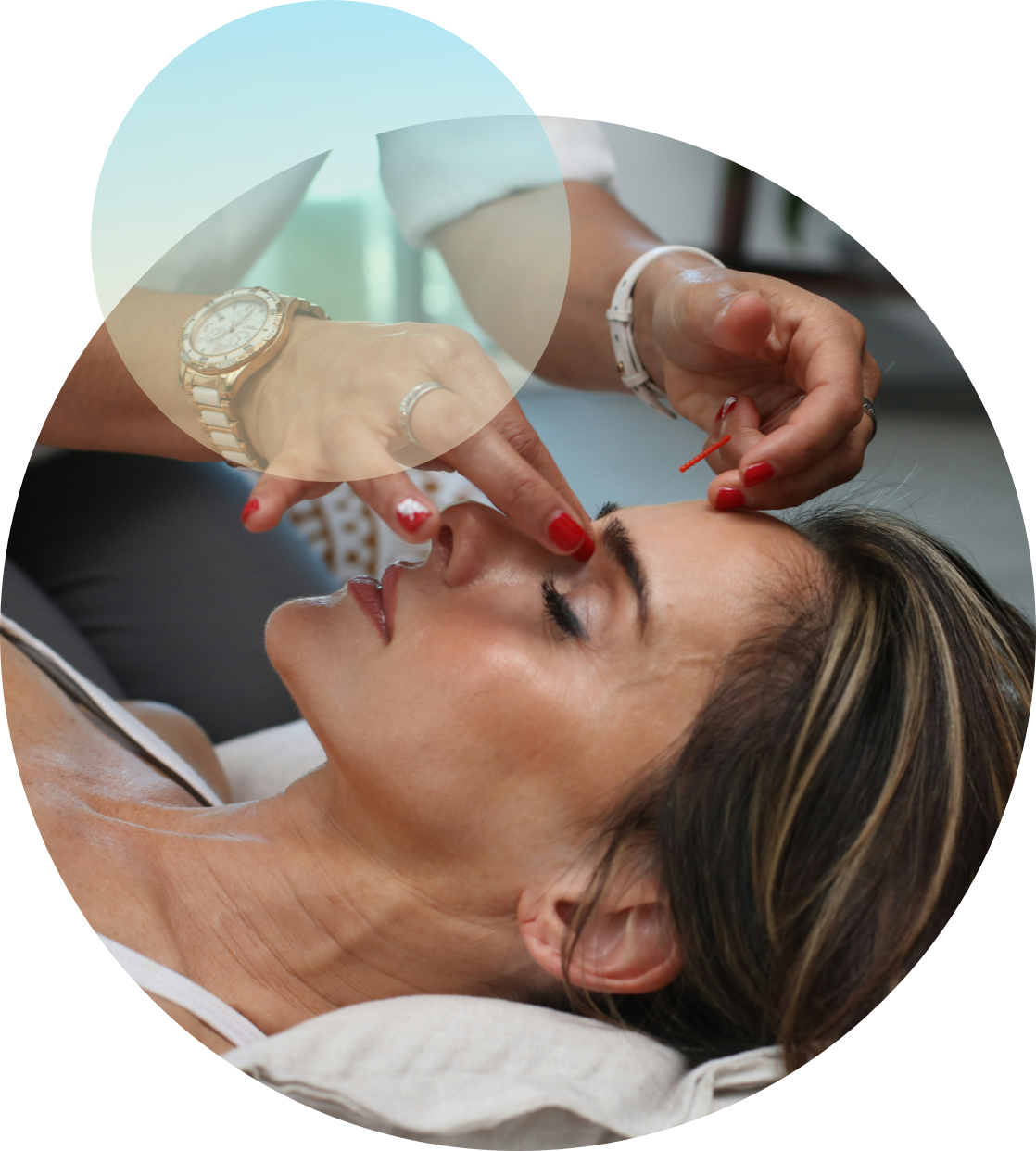
Specialized technique focusing on points in the ear, which contains a microsystem representing the entire body. Effective for addiction, stress, and pain.
Manual pressure applied to acupuncture points without needles, useful for self-care and for those who prefer needle-free treatment options.